
How Driverless Ride-Hailing May Fit Into Everyday City Trips
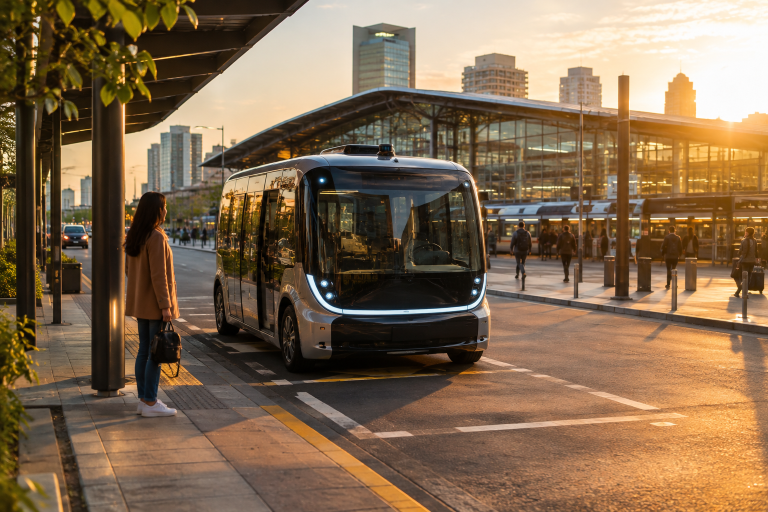
Table of contents
Key Takeaways
- Driverless ride-hailing may be most useful for short trips and first-mile or last-mile connections.
- It is unlikely to replace walking, biking, buses, trains, taxis, or conventional ride-hailing in every situation.
- Safety, accessibility, pricing, customer support, and clear pickup instructions will shape riders’ trust in a service.
- Cities may need to manage curb space, vehicle staging, charging, and emergency access as services expand.
- The strongest model may complement public transit rather than compete with it.
Driverless ride-hailing could become a practical option for some everyday urban trips, particularly where walking is difficult, parking is scarce, or a transit stop is just far enough away to be inconvenient. Services being developed for this model, including those described at https://zoox.com/, an autonomous ride-hailing service, point toward a future in which passengers request a vehicle rather than drive one themselves. Real transportation needs, not novelty, should judge that future. A driverless ride is useful only when it helps people reach jobs, appointments, schools, stores, and transit connections safely, affordably, and without creating new barriers for pedestrians, cyclists, bus riders, or people with disabilities.
Why Short City Trips Deserve More Attention
A trip of only a few miles can be surprisingly difficult. Rain, extreme heat, steep streets, limited parking, heavy traffic, and long gaps between transit stops can turn a simple errand into a frustrating journey. Someone leaving a rail station for a medical office, for example, may need a convenient final connection even if the train covers most of the distance. Convenience matters, but it is not the only measure of success. A service should also be reliable during busy periods, usable by people with different mobility needs, and designed so that its pickup activity does not block a bus stop, bike lane, crosswalk, or driveway.
What Driverless Ride-Hailing Means
Driverless ride-hailing is a service in which a passenger requests a vehicle that operates without a human driver during an approved trip. It differs from driver-assistance features in privately owned cars, where a person remains responsible for monitoring and driving. The different levels of vehicle automation matter because systems that assist a driver are not the same as a service designed to carry passengers without one. A typical rider journey may look straightforward:
- Request a trip through an app, phone service, or approved booking method.
- Walk to a designated pickup point.
- Confirm the vehicle and enter safely.
- Ride within the service area and operating conditions.
- Exit at a planned drop-off location and continue the trip on foot or by another mode of transportation.
Where Autonomous Rides May Be Most Useful
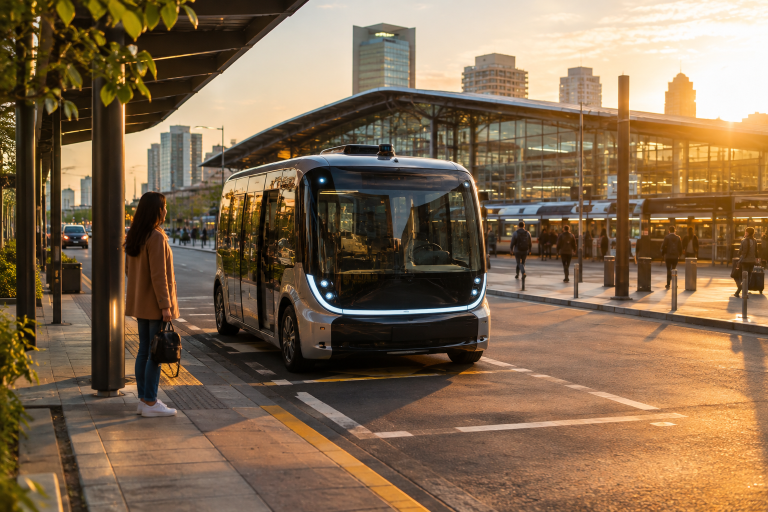
Autonomous rides may be especially valuable when they solve a specific gap rather than attempt to replace every trip. Possible uses include short connections to bus and rail stations, late-night trips when transit service is less frequent, travel around airports and campuses, and rides to large hospitals or workplaces. They may also help people who do not own a car or cannot drive; still, availability matters. A service with a small operating area, long wait times, or confusing pickup rules may not help someone whose trip begins outside the coverage zone.
How Autonomous Rides Could Work With Public Transit
The most practical trip may involve several modes. A rider could take an automated vehicle from home to a rail station, use the train for the longer part of the journey, then walk, bike, or use another local ride for the final stretch. This approach can preserve the capacity advantages of transit while reducing the inconvenience of hard-to-reach origins and destinations. Making that work requires coordinated pickup zones, clear transfer directions, reliable schedules, and payment options that do not require riders to juggle multiple accounts. Transit systems already have responsibilities around nondiscriminatory and accessible service, and the federal civil-rights framework for public transit offers a useful reminder that mobility improvements should serve a broad range of riders.
Safety Questions Riders Will Ask
Passengers will want clear answers about construction zones, blocked lanes, emergency vehicles, pedestrians, cyclists, bad weather, and unexpected route changes. They will also need to know what happens if a vehicle cannot continue, how to contact a human support team, and how to leave the vehicle safely if a trip ends early. Trust depends on more than a smooth ride. Operators and public agencies should have understandable procedures for incident review, remote assistance, maintenance, rider communication, and reporting issues that affect safety or service quality.
Accessibility Must Be Built Into the Service
Removing the driver does not automatically make transportation accessible. Pickup points need curb access and sufficient space for wheelchair users, walkers, strollers, and luggage, as well as safe boarding. Audio, visual, and plain-language instructions can help riders with hearing, vision, or cognitive disabilities. Equally important, riders should have a way to obtain support before and during a trip. Payment and booking should not depend entirely on a single smartphone model, a single credit card, or the ability to use a complex app without assistance.
What Cities May Need to Change
Curb space is limited, especially near train stations, entertainment venues, hospitals, and busy commercial streets. Cities may need designated loading areas that keep vehicles from stopping in travel lanes or interfering with buses, delivery vehicles, bike lanes, and crosswalks. Planning also includes places for charging, cleaning, inspection, maintenance, and vehicle staging. Officials should pay attention to empty-vehicle travel because a car moving without passengers can still create traffic and occupy valuable street space.
Pricing, Availability, and the Rider Experience
A low advertised fare does not guarantee a good trip. Riders should consider total cost, wait time, cancellation terms, service hours, and whether the vehicle can actually reach both ends of the trip. Predictable pricing may be particularly important for commuters, workers with fixed schedules, and people traveling to medical appointments.
Questions to Ask Before Booking
- Does the service cover the complete pickup and drop-off route?
- Can a rider contact a human support team if something goes wrong?
- Are mobility devices, luggage, children, and pets accommodated?
- What is the backup plan if demand is high or operations pause?
- Does the ride connect well with nearby transit and safe walking routes?
Traffic, Environmental, Workforce, and Community Effects
Driverless fleets could reduce some private-car trips, but the outcome depends on how they are used. Shared rides, high occupancy, electric vehicles, and strong transit connections could support more efficient travel. Frequent empty repositioning, low occupancy, or trips that replace walking and transit could produce the opposite result. Work may change as well. Driving jobs could be affected, while roles in fleet maintenance, cleaning, charging, remote support, accessibility services, and operations may grow. Cities should also ask who benefits first, whether lower-income neighborhoods receive reliable coverage, and how trip and location data are protected.
A Practical Way to Compare Travel Options
- Time: Will the ride save meaningful time compared with walking, transit, biking, or driving?
- Cost: Is the full price reasonable for the distance and purpose of the trip?
- Access: Can the rider safely reach the pickup point and use the vehicle?
- Reliability: What happens during road work, poor weather, or high demand?
- Connections: Does the trip strengthen access to buses, trains, and walkable destinations?
What the Next Few Years May Show
The best test of driverless ride-hailing will be measurable performance, not bold promises. Trip completion rates, safety reports, wait times, accessibility feedback, rider satisfaction, empty miles, and transit connections can show whether a service is solving everyday travel problems.
Conclusion
Driverless ride-hailing may become a useful part of city transportation, particularly for short connections, first- and last-mile trips, and journeys that are difficult or inconvenient to complete by other means. These services could give residents and visitors another way to reach workplaces, transit stations, hotels, restaurants, and other destinations without relying entirely on private vehicles. However, their long-term value will depend on more than technological capability or convenience.
Safe and reliable operation, fair access for people with different mobility needs, transparent oversight, and practical pricing will all influence whether these services become a meaningful transportation option. Their integration with existing public transportation networks will also be important. Rather than competing with buses, trains, walking, and cycling, driverless rides should help connect people to these services and address gaps in the current system. With thoughtful planning, consistent evaluation, and input from local communities, cities can explore how autonomous transportation can support everyday travel while considering the needs of all road users.
