
How Various Computer Programming Terminology Came Into Play

The world of computer programming is a realm filled with its own language and lexicon. Within this digital domain, terms like “bug,” “patch,” and “spaghetti code” hold significant meaning and have become ingrained in the tech vernacular. But have you ever wondered how these terms came to be? From the serendipitous encounter of a moth with Grace Hopper to the tangled complexity represented by spaghetti code, we peel back the layers to reveal the fascinating stories behind these iconic phrases. Join us as we uncover the hidden narratives that have shaped the way programmers communicate and navigate the intricate world of coding.
Table of contents
The Bug that Started it All
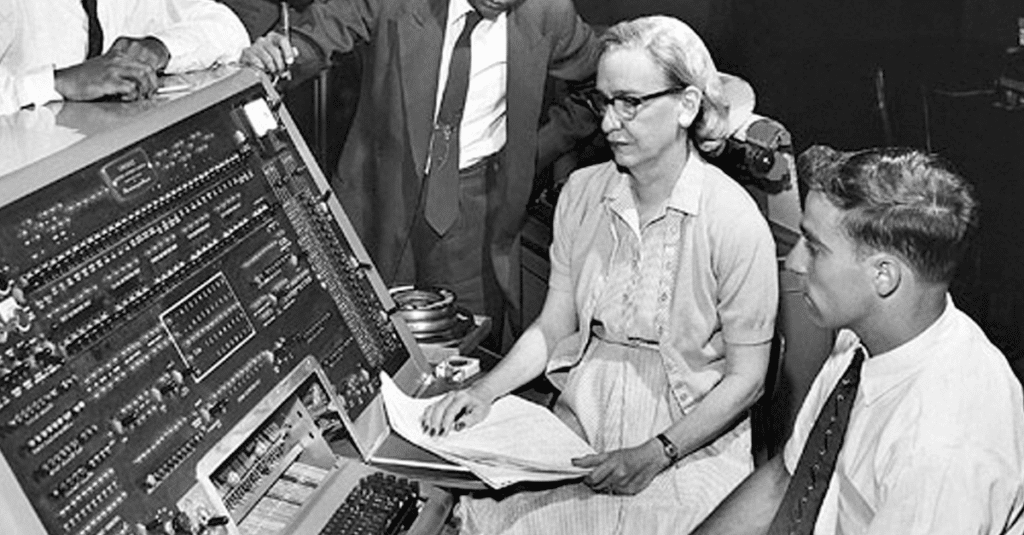
A pioneer of computer programming, Grace Hopper made an indelible mark on the field. In 1947, while working on the Harvard Mark II computer, she encountered an unexpected error caused by a physical obstruction—an actual moth trapped inside a relay. Faced with the unusual problem,
Hopper meticulously documented the incident, preserving the moth as the first recorded instance of a “bug” causing a computer malfunction. This event led to the popularization of the term “bug” as a reference to any flaw or glitch in a computer system.
In the world of computer programming, patches, and hotfixes serve as the digital equivalent of repairing or “patching up” issues in software. The analogy draws inspiration from the act of mending or altering physical garments to fix imperfections. Hotfixes, in particular, are designed to swiftly address critical issues in software by providing immediate solutions or workarounds.
They are akin to applying a temporary patch to keep the system running until a permanent fix can be implemented.
Other Quirky Terminology
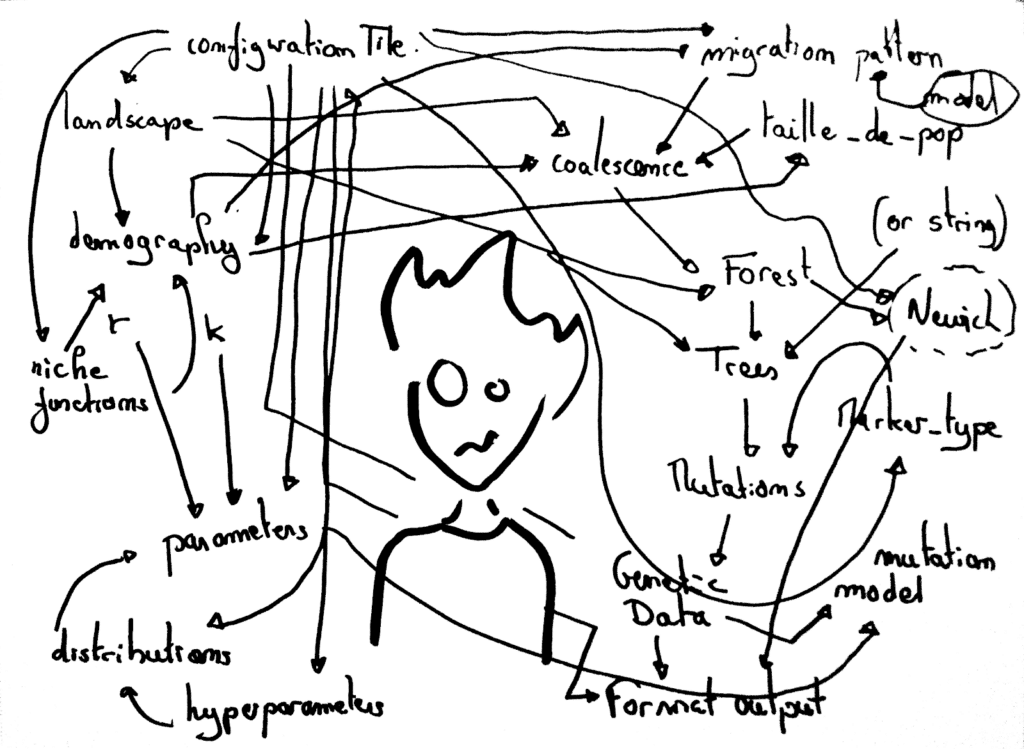
Spaghetti code refers to programming code that is overly complex, convoluted, and difficult to navigate or maintain. The term draws an analogy to a plate of tangled spaghetti, with code paths intertwining and looping in a bewildering manner. Spaghetti code arises from poor coding practices, such as excessive use of nested loops, global variables, and unstructured control flow. It hampers readability, modifiability, and overall code quality, leading to increased bugs and maintenance difficulties.
Similarly, Rubber duck debugging is a practice where programmers explain their code line by line to an inanimate object, often a rubber duck. By verbalizing the problem, programmers gain clarity and often uncover the root cause of the issue themselves.
The concept of rubber duck debugging can be traced back to the book “The Pragmatic Programmer” by Andrew Hunt and David Thomas. They described a situation where a programmer debugged their code by explaining it to a rubber duck, inadvertently discovering the solution along the way.
Legacy of Pioneers
Widely regarded as the world’s first computer programmer, Ada Lovelace made significant contributions to the field of computing in the 19th century. Her work on Charles Babbage’s Analytical Engine laid the foundation for modern programming.
In honor of Ada Lovelace’s pioneering work, the Ada programming language was developed in the late 1970s. Known for its robustness and reliability, Ada has found applications in critical systems, such as aerospace, defense, and transportation.
The terminology of computer programming is far from arbitrary; it is steeped in history, anecdotes, and the creative minds that have shaped the field. From the moth that gave us “bug” to the tangled webs of spaghetti code, these terms not only serve as tools for communication but also offer glimpses into the challenges and triumphs of programmers past and present.
As the field continues to evolve, new terms and concepts will undoubtedly emerge, each with its own captivating story to tell. In the ever-expanding landscape of computer programming, the words we use carry the weight of a rich and enduring legacy.
